
Craft · Bengal
Kantha
Layered cloth drawn with running stitch, where direction and density do the work — from household quilts to contemporary embroidered surfaces.
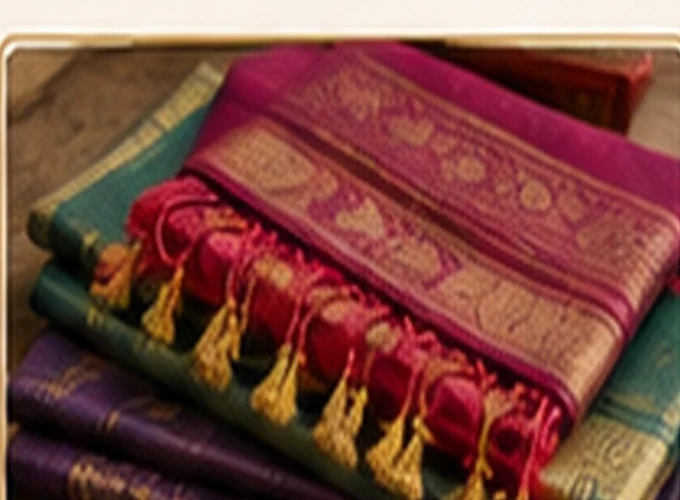
Bengal
Notice how repeated running stitches create texture, contour, rhythm and sometimes narrative imagery across the cloth.
Making process
Technique leaves evidence.
The maker layers the cloth and works it with running stitch, over and over, letting direction and density do the drawing.
We name a maker only when we can prove it. Where a piece carries a maker’s name, that name has been verified.
Old cloth layered and drawn together with one stitch, used at different densities.
Where it comes from
Bengal — West Bengal and Bangladesh — with related traditions in parts of Bihar and Odisha. Historically domestic work, made by women within the household rather than in workshops.
How the tradition developed
Kantha began as thrift: worn saris and dhotis layered and quilted with running stitch to make coverlets, wraps and ceremonial cloths. Thread was drawn from the borders of the same old garments. Nakshi kantha, the figured kind, carried imagery — lotuses, fish, trees, scenes of daily life, sometimes the maker's own narrative. The commercial embroidery now sold widely under the name grew from that domestic practice.
How it is made
The maker layers the cloth and works across it with running stitch. Everything is done with that single stitch; what changes is direction and density. Worked closely in parallel rows, it produces the rippled surface that makes old kantha instantly recognisable. Worked as outline and fill, it draws figures. Traditional pieces were quilted from the centre outwards so the layers stayed flat.
What it is made of
Cotton and silk, historically reclaimed. Cotton or silk thread.
What to look at
Look at stitch consistency and how the fabric behaves. Genuine dense kantha has a characteristic soft ripple from the stitching tension. On figured work, check the reverse is neat and the motifs are drawn with the stitch rather than printed and then outlined.
Living with it
Gentle cold hand wash, dry flat in shade. Layered pieces take a long time to dry properly.
For gifting at volume
Stoles, throws and cushion covers work well and the craft is genuinely scalable. Simple running-stitch work suits volume; heavily figured nakshi kantha does not.
Craft-level description compiled by TGA. We describe traditions and techniques here, not individual makers — a maker is named only where we have verified them.