
Craft · Punjab
Phulkari
Punjab’s floss-silk embroidery. Geometric and floral surfaces worked over handwoven cloth so the thread catches the light.
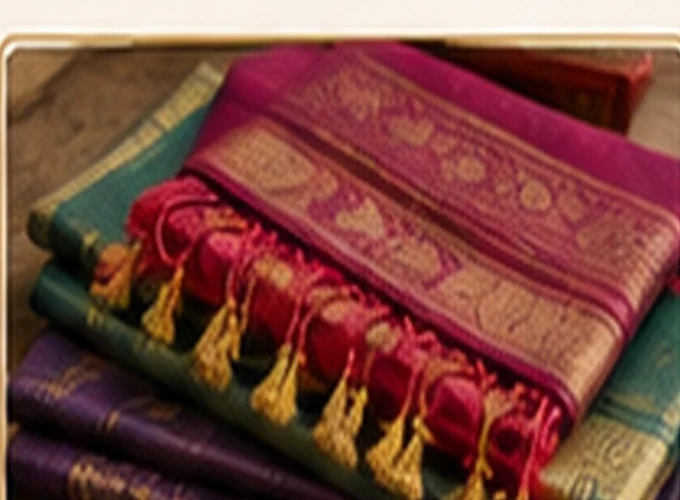
Punjab
Look for stitch direction, colour play and how repeated motifs build a luminous surface across the textile.
Making process
Technique leaves evidence.
The embroiderer works from the front or the reverse depending on the technique, laying floss silk in one controlled direction so the surface catches light.
We name a maker only when we can prove it. Where a piece carries a maker’s name, that name has been verified.
Worked from the back, in one direction, so the floss catches the light.
Where it comes from
Punjab, on both sides of the border. Historically made within the household for family use rather than for sale, and now also produced commercially across the region.
How the tradition developed
Phulkari means flower work. The pieces were made by women for their own households and for marriage, and particular types were tied to particular occasions. A bagh — garden — is worked so densely that the ground cloth disappears entirely beneath the embroidery, and these were the most prized. The tradition was severely disrupted by Partition, and a great deal of the older work now survives in collections rather than in families.
How it is made
The embroiderer works darn stitch on coarse handwoven cotton, counting threads from the reverse of the cloth. Because the stitches are laid in a consistent direction within each block and the direction changes between blocks, light strikes the floss differently across the surface — the pattern appears to shift as you move. The geometry is built by counting rather than drawn out in advance.
What it is made of
Khaddar, a coarse handwoven cotton, traditionally in madder or rust. Pat, an untwisted floss silk, in saffron, gold, crimson and white.
What to look at
Tilt the piece under light. Genuine darn-stitch phulkari changes appearance as the angle shifts, because the floss lies in blocks of differing direction. Check the reverse for even counting, and look at whether the ground shows through — in a true bagh it should not.
Living with it
Dry clean, or very gentle cold hand wash. Store flat, away from light, as floss silk fades.
For gifting at volume
Stoles and dupattas make warm, regionally specific gifts. Densely worked bagh pieces are slow and should be treated as individual, not volume.
Craft-level description compiled by TGA. We describe traditions and techniques here, not individual makers — a maker is named only where we have verified them.