Blogs
From Sketch to Sculpture: The Journey of a Wood Carver
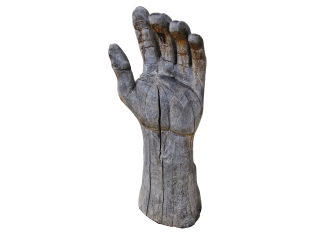
The first
pencil line glides across the wooden surface—light, intentional, and full of
promise. It marks the beginning of a transformation. For the wood carver, this
is not just a sketch; it is a vision, a conversation between artist and
material. Each line maps a path through grain and fiber, tracing an image that
has long lived in the artisan’s imagination. This is how sculpture art
begins—quietly, humbly, with a single mark on wood.
The Art of Intention: Designing the Sculpture
Before
the carving knife ever touches the timber, the artisan studies the block—its
knots, its curves, the direction of its grain. Choosing the right wood is as
crucial as the design itself. Teak, walnut, mahogany, or mango wood—each has a
personality that dictates what can be drawn from within.
Using a
graphite pencil, the artisan outlines the figure. Whether it's a mythological
deity, an animal, or a geometric abstraction, this stage sets the tone for the
entire wood carving process. Every curve and contour must be anticipated
and visualized.
Roughing Out: The First Cuts
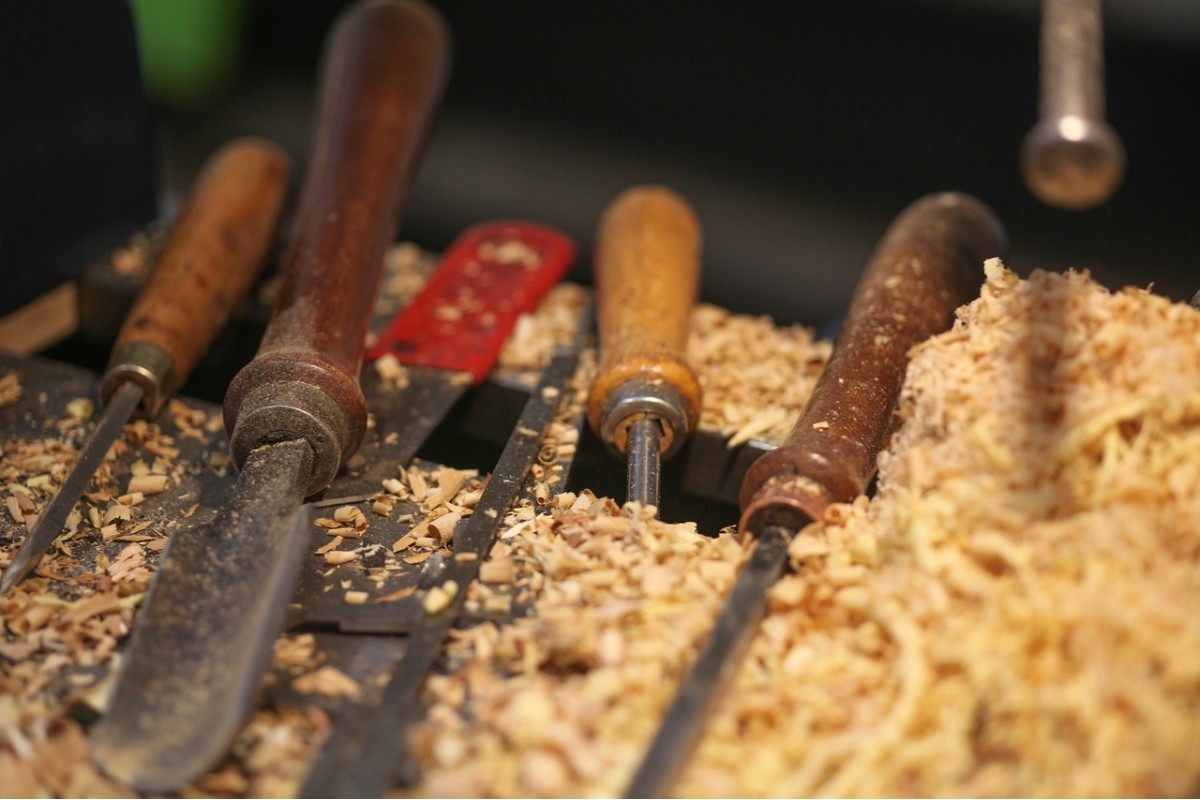
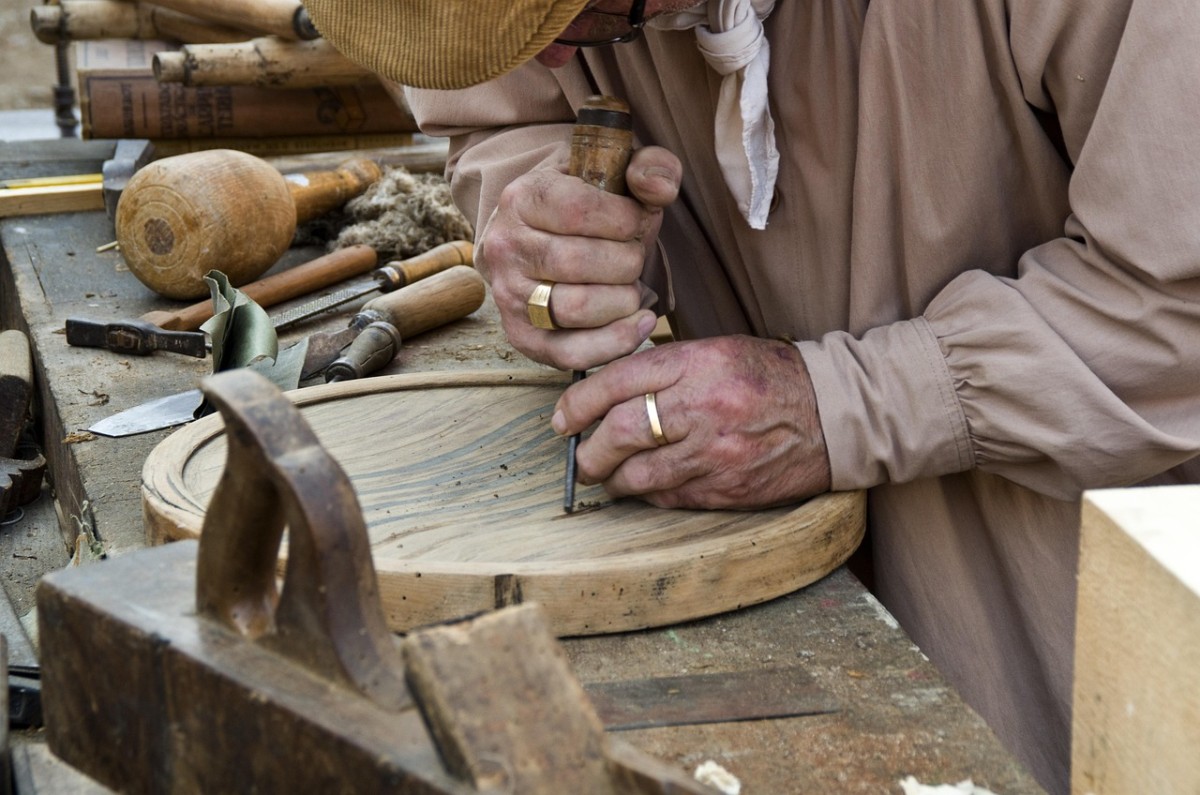
With
mallet and gouge in hand, the carver begins the “roughing out” stage. Here, the
block slowly sheds its excess, revealing a silhouette beneath the shavings.
This part of the artisan journey is physically demanding and guided by
experience—knowing how much to remove and where to stop. The sound of mallet
striking chisel creates a rhythmic heartbeat in the workshop, echoing
centuries-old traditions.
These
larger tools—V-tools, U-gouges, and flat chisels—allow for quick removal. The
artisan keeps checking the piece against the sketch, ensuring alignment,
balance, and symmetry.
Refining the Form: Precision Meets Patience
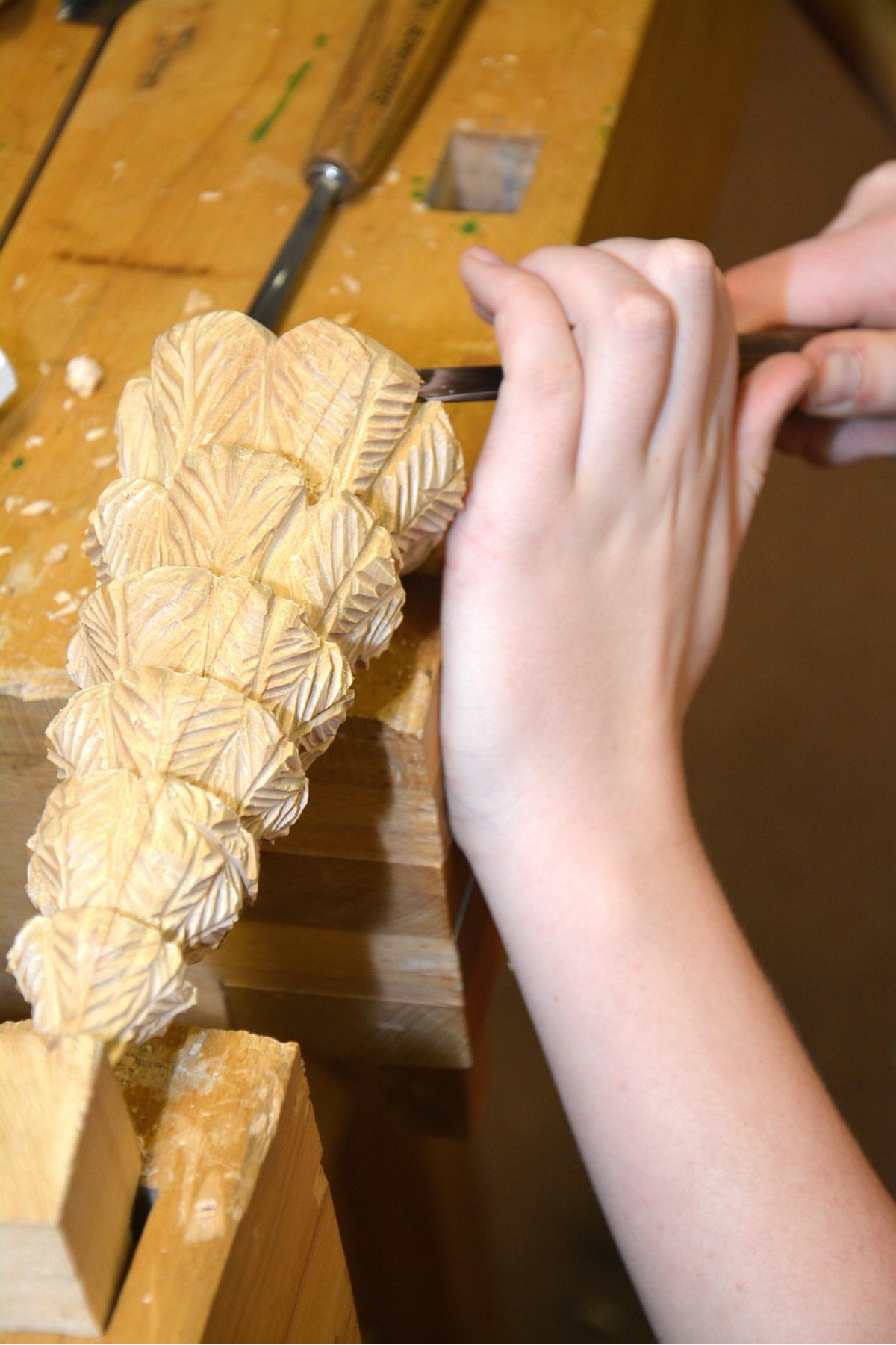
Once the
basic form emerges, finer tools come into play—veiners, parting tools, and
carving knives. This is the meditative phase. Small curls of wood peel away,
revealing textures, curves, and layers of expression. The artisan’s fingers
become an extension of the blade, feeling every contour for accuracy.
The
sculpture’s features—eyes, folds of clothing, feathers, or fur—begin to breathe
life. It is at this moment that the sculpture art transcends from form
to soul. The artisan may pause often, rotating the sculpture, stepping back to
view it from different angles. It’s not just about symmetry—it’s about
storytelling.
Detailing and Surface Finishing
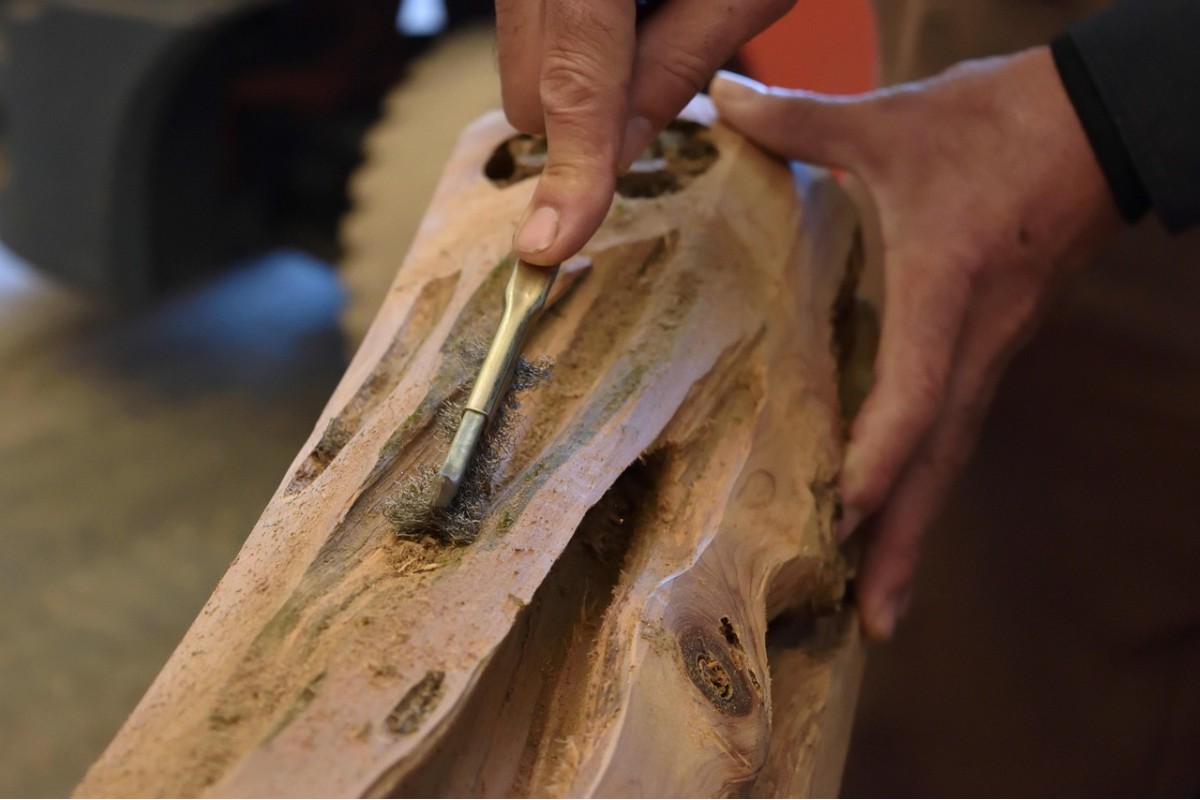
Now comes
the most delicate stage: detailing and finishing. With micro-chisels and
abrasives, the artisan smooths out tool marks, defines intricate patterns, and
polishes the sculpture’s surface.
Depending
on the intended finish, natural oils, beeswax, or eco-friendly varnishes are
applied. These not only protect the sculpture but deepen the wood’s natural
tones and grains, adding warmth and character. This stage is also deeply
sensory—the smell of wood, the sheen of polish, the final feel under
fingertips. Every detail affirms the time, care, and devotion poured into the
craft.
More Than Just an Object
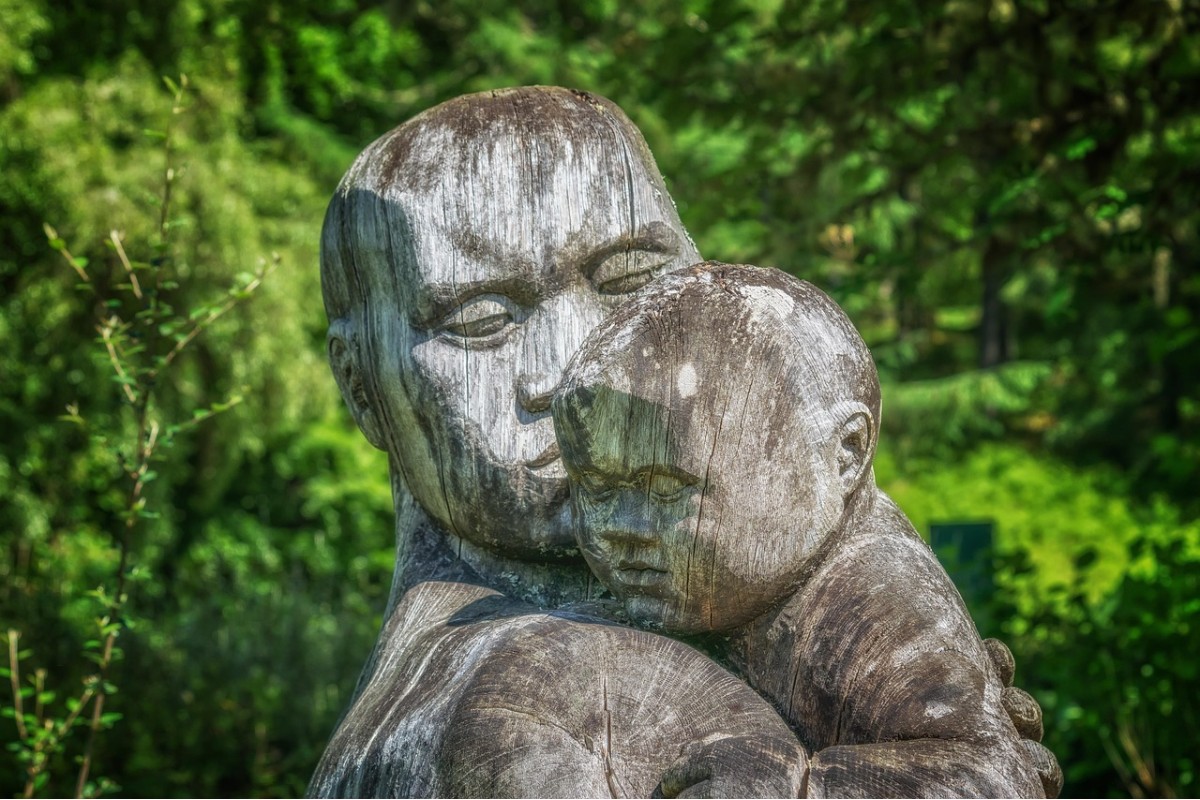
Each
wooden sculpture is more than a decorative piece; it is a testimony to
heritage, patience, and the skilled hands that shape it. The wood carving
process is slow, intentional, and deeply rooted in generations of
passed-down wisdom.
The artisan journey from sketch to sculpture is a blend of discipline and intuition, of respecting the medium while pushing its boundaries. It's a form of meditation and self-expression that results in something tangible, timeless, and profoundly human.
Come Experience the Craft
At Global
Artisans Pvt Ltd, we celebrate this journey by working with master wood
carvers from across India. Each sculpture tells a story—of forests, of
tradition, of the human spirit etched into wood.
WOODEN CARVED JALI PANEL
Wooden carved jali panelTheshopy Wooden carved jali panel Size:- (Inch) 18 x 2 x 18 #A1022Home Decor..
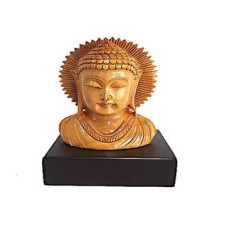
Wooden Carved Buddha on Base
Wooden Carved Buddha on Base ..
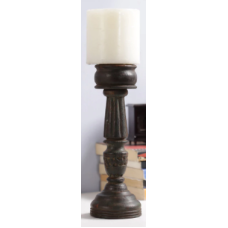
WENGE CARVED CANDLE STAND
Wenge carved candle stand made of solid wood.Candle not included...



Leave your comment