Blogs
How Traditional Crafts Are Reviving Rural Economies
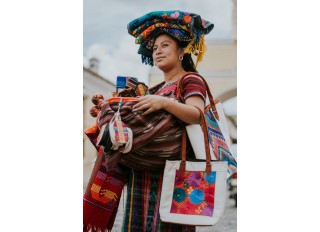
In a
small village in Rajasthan, India, life has been quietly transformed. For
decades, families depended on seasonal farming and odd labor work, struggling
to make ends meet. Today, the same community thrives thanks to the revival of
traditional crafts. Women weave intricate textiles, men carve wooden toys, and
young artisans experiment with pottery designs that blend heritage with modern
appeal. The village has become a hub of creativity and self-reliance, showing
how the craft economy can breathe new life into rural regions.
The Economic Impact of Craft Revivals
When
rural artisans find sustainable markets for their creations, the impact extends
far beyond individual households. Craft income diversifies rural economies that
are otherwise vulnerable to agricultural risks such as droughts or fluctuating
crop prices. Studies show that the craft sector contributes billions to India’s
GDP and supports millions of livelihoods. For families, steady earnings from
handicrafts mean children can go to school, healthcare becomes affordable, and
dependency on seasonal migration reduces drastically.
Micro-enterprises
and cooperatives have sprung up around these crafts, creating networks that
link artisans directly to buyers worldwide. This reduces the exploitation by
middlemen and ensures a fair share of profits returns to the community. The
result: sustainable livelihoods that empower artisans to invest back
into their villages, improving infrastructure and opportunities.
Preserving Skills, Passing Down Heritage
Every
handcrafted item carries centuries of knowledge passed down through
generations. Whether it is Madhubani painting from Bihar, Channapatna wooden
toys from Karnataka, or Kashmiri Pashmina weaving, these skills are not just
artistic practices—they are cultural treasures. The revival of crafts
safeguards this intangible heritage from disappearing under the pressure of
mass-produced goods.
Younger
generations, once tempted to migrate to cities, are now finding pride and
purpose in preserving these skills. Training programs and design workshops
connect them with contemporary markets while keeping authenticity intact. By
merging tradition with innovation, artisans remain relevant in today’s
globalized economy.
Community Stories That Inspire
Beyond
statistics, the human stories are deeply moving. In Kutch, Gujarat, women who
once had little say in household finances are now business leaders of
embroidery collectives. In Odisha, tribal communities use basket weaving not
only as income but as a platform to tell stories of their identity. In
Varanasi, weavers who struggled with dwindling demand are now thriving after
global campaigns highlighted their artistry.
These
stories underline the resilience and creativity of rural communities. Craft
revivals are not charity—they are empowerment. They prove that when markets
recognize the value of authentic craftsmanship, entire ecosystems prosper.
A Sustainable Path Forward
Supporting
the craft economy is also an investment in sustainability. Unlike mass manufacturing,
traditional crafts rely on locally sourced, eco-friendly materials and minimal
machinery. They generate less waste, reduce carbon footprints, and encourage
mindful consumption. Choosing handwoven textiles or handmade pottery over
factory products is a step toward responsible living.
Moreover,
rural artisans adapt quickly to eco-conscious trends. Natural dyes, recycled
materials, and upcycled crafts are now part of their portfolios. This alignment
with sustainability gives traditional crafts a competitive edge in global
markets increasingly driven by ethical consumerism.
Call to Action: Support Rural Artisans
The
revival of crafts is more than nostalgia—it’s a strategy for building
resilient, inclusive, and sustainable rural economies. Every purchase has the
power to sustain a family, preserve a tradition, and uplift a community.
At Global
Artisans Pvt Ltd, we are proud to connect these artisans to global
audiences. By choosing handcrafted products, you directly contribute to a
future where rural economies thrive on creativity and dignity.
Women's Saree - Blockprinted - Chanderi
PRODUCT NAME:-Women's Saree - Blockprinted - ChanderiCOLORS:-RED, GREEN, ORANGE..
Women's Hand Bag - Classic - Rib-Quilted
product name:- Women's Hand Bag - Classic - Rib-Quiltedsize:- 40 x 41 cm..
-228x228.jpeg "Steampunk Watch Box, Wooden Watch Box, Wooden Watch Case or Jewelry Box, Handcrafted Watch Box")
Steampunk Watch Box, Wooden Watch Box, Wooden Watch Case or Jewelry Box, Handcrafted Watch Box
A very beautiful 3d textured handmade wooden watch box with a beautiful steampunk design. It is grea..
Kutch Hand Weavig Silk Stole - Black
Kutch Hand Weavig Silk Stole - BlackSilk Stole - BlackMaterial - Silk ,Cotton Size - 24 x 88 In..



Leave your comment