Blogs
Why Fair Trade Matters: The Impact on Artisans
On the
outskirts of Varanasi, India, a weaver named Sushila once struggled to sell her
handloom saris. Middlemen offered her barely enough to cover raw materials,
forcing her family into cycles of debt. But everything changed when her work
entered the fair trade crafts network. Today, Sushila earns a fair wage,
sends her daughter to school, and has become a trainer for younger artisans in
her village. Her story reflects the transformative power of fair trade:
dignity, stability, and a brighter future.
What Fair Trade Really Means
Fair
trade is more than a label—it’s a movement rooted in justice and respect. At
its core, fair trade ensures that producers, especially from marginalized
communities, receive fair compensation for their work. It eliminates exploitative
middlemen, emphasizes ethical sourcing, and guarantees safe working
conditions.
Key
principles of fair trade include:
- Fair wages that reflect the true value
of craftsmanship.
- Transparency and
accountability
throughout the supply chain.
- Respect for cultural
heritage and
traditional practices.
- Environmental stewardship, using eco-friendly
materials and processes.
- Community development, reinvesting earnings into
education, healthcare, and infrastructure.
When
consumers choose fair trade, they are not just buying products—they are voting
for a global economy built on fairness and sustainability.
The Tangible Benefits for Artisans
For
artisans like Sushila, fair trade means freedom from exploitation and a chance
to thrive. The impact is visible across three main dimensions:
- Economic Security
Fair trade crafts ensure artisans receive consistent and just payment. This stability allows families to plan for the future, build savings, and break free from poverty cycles. - Cultural and Artistic
Preservation
By valuing traditional skills, fair trade empowers artisans to continue weaving, carving, painting, or embroidering in ways passed down through generations. Instead of abandoning heritage for survival, artisans can proudly showcase it. - Social Empowerment
Fair trade fosters equality by prioritizing marginalized groups—especially women. Many cooperatives reinvest profits in literacy programs, vocational training, and women-led enterprises. This is genuine artisan empowerment—giving communities control over their destinies.
Stories of Transformation
Across
India, Latin America, and Africa, fair trade has rewritten countless stories.
In Oaxaca, Mexico, indigenous potters now sell globally, safeguarding
centuries-old pottery techniques. In Kenya, beadwork collectives led by women
use fair trade markets to fund clean water initiatives. In India,
hand-embroidered textiles are not only exported but also celebrated on
international runways.
Each of
these stories shows that fair trade is not charity—it is partnership. It
ensures artisans are recognized as equals in global commerce, rather than
invisible laborers behind mass-produced goods.
Why Your Choice Matters
The
global demand for low-cost goods often fuels exploitation. Mass production
pushes down wages, ignores environmental responsibility, and erodes cultural
traditions. Fair trade is the antidote—an opportunity to align everyday
purchases with values of justice, equality, and sustainability.
When you
choose fair trade crafts, you:
- Directly improve the lives
of artisans.
- Support environmentally
responsible practices.
- Strengthen ethical supply
chains.
- Protect cultural heritage
for future generations.
Your
decision has ripple effects. A single purchase can keep a child in school, fund
a community healthcare clinic, or provide artisans with the dignity of fair
work.
Call to Action: Be Part of the Change
Fair
trade matters because people matter. Behind every handwoven textile, carved
sculpture, or painted bowl is a story of resilience and creativity. By making
conscious choices, you can join a movement that uplifts lives and preserves
culture.
At Global
Artisans Pvt Ltd, we proudly source and showcase authentic fair trade
products created by skilled rural artisans. Every item carries a story of
justice and empowerment.
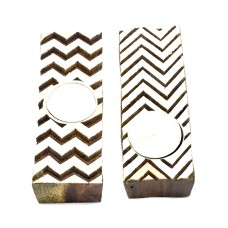
Zigzag Flair Wooden Tealight Candle Holder -Set of 2
This Zigzag Flair Wooden Tealight Candle Holder -Set of 2 is Handmade by Indian Artisans ..
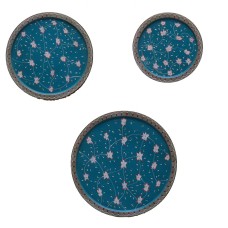
Wooden Wall Decor Plates - Set of 3
Wooden Wall Decor PlatesSet of 3Material : MDFColour : MulticolorSize : 12"x10"x8"..
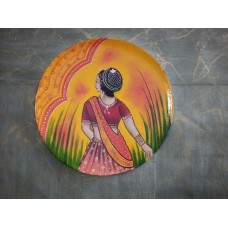
Wooden Wall Decor Plate - Yellow
Wooden Wall Decor PlateMaterial : MDFColour : YellowSize : 11.75 x 0.75 x 11.75Weight : 500 Gram..



Leave your comment